TravelHow to Visit Indonesia: A Comprehensive Guide
Indonesia, an archipelago of over 17,000 islands, is a vibrant and diverse destination that attracts travelers from around the world. From the bustling streets of Jakarta to the serene beaches of Bali and the rich cultural heritage of Yogyakarta, there is something for every traveler. If you're planning to visit Indonesia, this guide will help you navigate the essentials for a smooth and enjoyable trip.
1. Entry Requirements
Before booking your flight, check Indonesia's latest entry requirements and visa rules for your nationality. Eligible travelers may be able to apply for a Visa on Arrival (VoA) or an electronic Visa on Arrival (e-VoA) for tourism. The standard stay is up to 30 days and may be extended once for an additional 30 days, subject to immigration rules.
- Passport validity: Generally, your passport must be valid for at least six months from your date of arrival.
- Visa eligibility: VoA is available only to eligible nationalities and permitted visit purposes.
- Before departure: Check the latest requirements through the official Indonesian Immigration website.
2. Best Time to Visit
Indonesia has a tropical climate, with seasonal patterns that vary across the archipelago. In many popular destinations, there are two main seasons:
- Dry Season: Generally April to October
- Rainy Season: Generally November to March
🏝️ Popular time to visit: June to September — often a good period for outdoor activities and beach trips in many destinations. Weather conditions vary by region, so check the local forecast before traveling.
3. Booking Flights
Major international airlines operate flights to Indonesia's main international airports, including:
- Soekarno-Hatta International Airport (CGK) – Jakarta
- I Gusti Ngurah Rai International Airport (DPS) – Bali
✈️ Tip: Book in advance, especially during peak travel periods, school holidays, and major festivals. Compare arrival airports based on your itinerary to reduce unnecessary travel time.
4. Accommodation
Indonesia offers a wide range of accommodation options:
- Budget: Hostels, guesthouses
- Mid-range to Luxury: Hotels, resorts, and private villas
- Unique stays: Locally owned homestays and eco-lodges
Use platforms like Booking.com, Agoda, and Airbnb to compare accommodation options. Check the location, recent reviews, cancellation conditions, and transport access before booking.
5. Health and Safety
- Travel Insurance: Consider comprehensive travel insurance that covers medical emergencies, adventure activities, and evacuation where appropriate.
- Vaccinations: Consult a travel-health professional about recommended vaccinations and health precautions based on your itinerary and medical history.
- Food and Water: Choose safe drinking water, such as sealed bottled or properly filtered water. Use good food hygiene practices.
- Outdoor Activities: Follow local guidance for volcano hikes, waterfall treks, snorkeling, and other adventure activities. Conditions can change with weather.
6. Local Transportation
Getting around Indonesia can be an adventure:
- In-City Travel: Taxis, ride-hailing apps, public transport, and local tours
- Inter-Island Travel: Domestic flights, ferries, and speedboats
- Private Overland Travel: Private cars and drivers can be useful for multi-stop itineraries, especially in areas where public transport connections are limited.
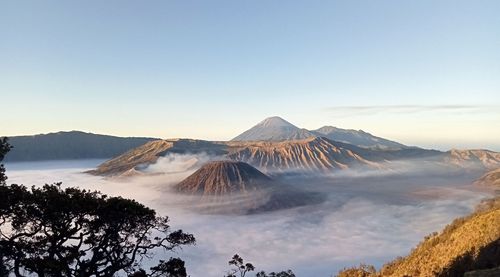
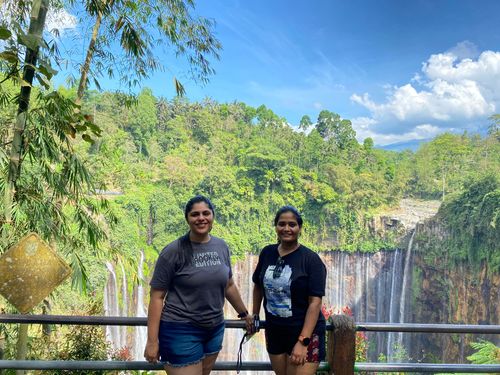
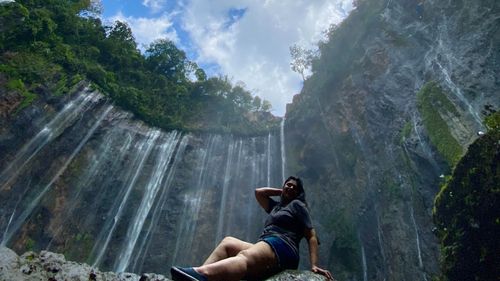
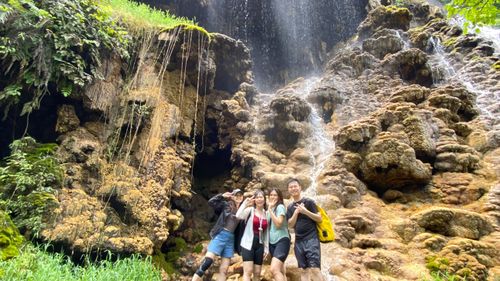
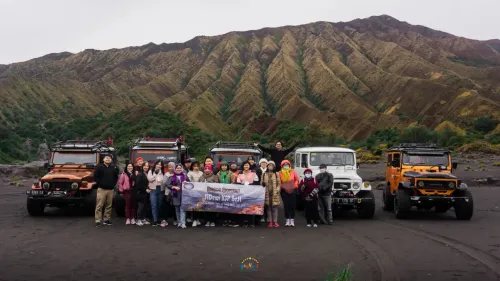
If you need local tour services in East Java, explore our Mount Bromo Midnight Tour or Tumpak Sewu Waterfall and Goa Tetes 1-Day Tour.
7. Language and Currency
- Official Language: Indonesian (Bahasa Indonesia)
- Common in Tourist Areas: English is spoken by many tourism professionals, although proficiency varies.
- Currency: Indonesian Rupiah (IDR)
💳 Carry some cash, especially in rural areas and at small local businesses. ATMs are widely available in many cities and tourist destinations, but availability may be limited in remote areas.
8. Cultural Etiquette
Indonesia is culturally diverse, so respect local customs wherever you travel:
- Dress modestly, especially when visiting temples, religious sites, and rural communities.
- Remove your shoes before entering homes and places where visitors are asked to do so.
- Ask permission before photographing people, ceremonies, or religious activities.
- Be friendly and polite — a little respect goes a long way!
9. Must-Visit Destinations
🌋 East Java
A region of dramatic landscapes, volcanoes, waterfalls, and rich cultural heritage:
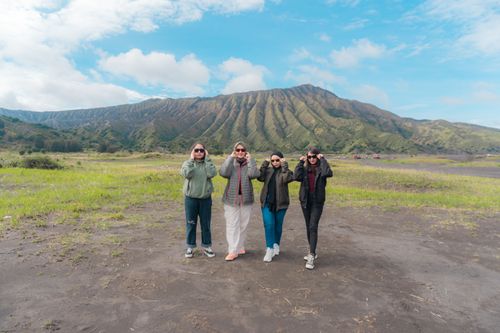
- Mount Bromo – Famous for its volcanic landscapes and sunrise viewpoints.
- Ijen Crater – Known for its turquoise acidic crater lake and volcanic scenery.
- Madakaripura Waterfall – A dramatic waterfall surrounded by steep cliffs.
- Tumpak Sewu Waterfall – A spectacular semicircular curtain of waterfalls near Pronojiwo, Lumajang.
Discover East Java with our 3D2N Bromo–Ijen–Tumpak Sewu Tour: The Java Trilogy or explore our 3-Day East Java Shared Tour.
🏖️ Bali – “Island of the Gods”
Bali is a popular destination known for its temples, beaches, rice terraces, and distinctive cultural traditions:
- Nusa Penida Island – Known for dramatic coastal cliffs and scenic viewpoints.
- Ubud – Home to the Monkey Forest, Tegallalang Rice Terraces, and traditional arts and crafts.
- Stunning beaches and lush landscapes across the island.
Learn more: Bali on Wikipedia
🏯 Yogyakarta
A cultural center of Java known for its historic temples, traditional arts, and Javanese heritage:
- Prambanan Temple – A major Hindu temple complex and UNESCO World Heritage Site.
- Ijo Temple – A historic temple complex situated on a hill southeast of Yogyakarta.
- Traditional arts, music, and crafts.
Read more: Prambanan Temple Compounds – UNESCO World Heritage Centre
🏙️ Jakarta
A major metropolitan destination offering a blend of history, culture, shopping, and modern city life:
- National Monument (Monas) – An iconic landmark in central Jakarta.
- Kota Tua (Old Town) – A historic district featuring colonial-era architecture and museums.
- Thousand Islands (Kepulauan Seribu) – An island group north of Jakarta known for coastal scenery and marine activities.
🐉 Komodo National Park
A UNESCO World Heritage Site in East Nusa Tenggara, famous for its wildlife and marine environment:
- Komodo Dragons – The park's iconic giant lizards.
- Marine biodiversity – Coral reefs and diverse marine life.
- Scenic diving and hiking spots – Explore the park with authorized local operators and follow conservation guidance.
Learn more: Komodo National Park – UNESCO World Heritage Centre
10. Travel Tips
- Stay Connected: Consider a local SIM card or eSIM for mobile data. Check device compatibility and registration requirements before arrival.
- Bargain Wisely: Negotiating is common in some traditional markets — be respectful and agree on the price before purchasing.
- Pack Light: Bring breathable, tropical-friendly clothing, sun protection, and rain protection appropriate for your destinations.
- Plan Travel Times: Traffic, weather, ferry schedules, and mountain conditions can affect journey times. Allow flexibility between connections.
- Check Local Rules: Confirm current opening hours, entry requirements, and access restrictions before visiting attractions.
✨ Final Thoughts
Indonesia's rich tapestry of cultures, landscapes, and experiences makes it a must-visit destination. With a little planning and an open mind, your Indonesian adventure can be one to remember.
If East Java is on your itinerary, Pigiyuk78 Tour, based in Malang, can help you explore Mount Bromo, Ijen Crater, Tumpak Sewu Waterfall, and other regional highlights. Discover our tour packages or learn more about Pigiyuk78 Tour.
🌏 Enjoy your travels and safe journey!